


The European bathroom is far more than a purely functional space for hygiene; it is a carefully curated sanctuary, a reflection of personal style, and a testament to a philosophy that values aesthetics, wellness, and timeless design. The (shaping) of its distinctive style is not achieved through a single element but through a harmonious synthesis of design principles, material choices, and a deep-seated cultural appreciation for quality and comfort. The resulting styles, though diverse, share a common DNA of sophistication and intentionality.
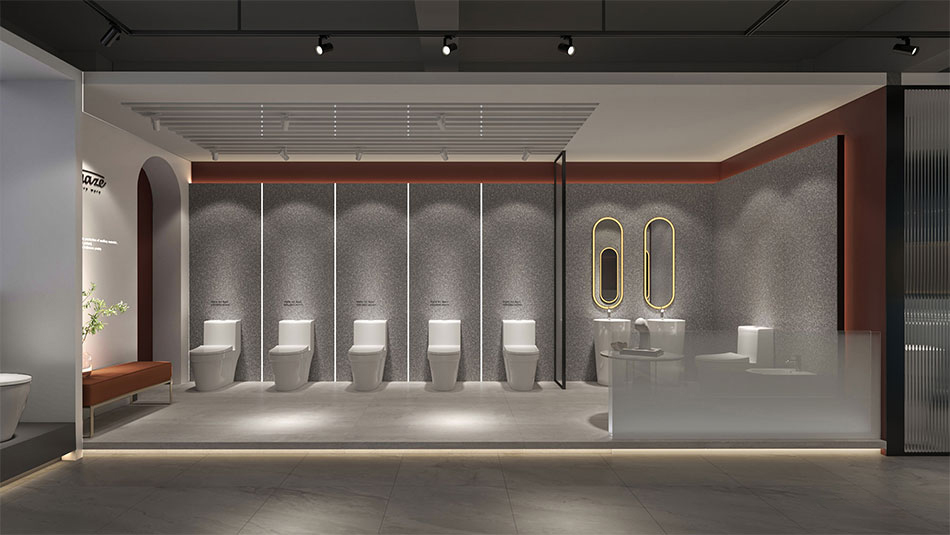
The most prominent style to emerge from Europe is undoubtedly the minimalist ethos often associated with German and Scandinavian design. This approach is rooted in the principle of “less is more.” Here, the style is shaped by clean, uninterrupted lines, uncluttered spaces, and a neutral colour palette of whites, greys, and earthy tones. The goal is to create a serene, spa-like atmosphere that promotes relaxation and mental clarity. The materials are key: large-format porcelain slabs for flooring and walls mimic natural stone without the fuss, while sleek, wall-hung toilets and vanities float above the floor, enhancing the sense of space and lightness. Tapware is geometric and often finished in brushed chrome or matte black, acting as understated jewellery rather than ornate centrepieces. This style champions intelligent storage solutions—recessed niches, mirrored cabinets, and streamlined furniture—to eliminate visual noise, ensuring that every item has its place and the room remains a tranquil haven.
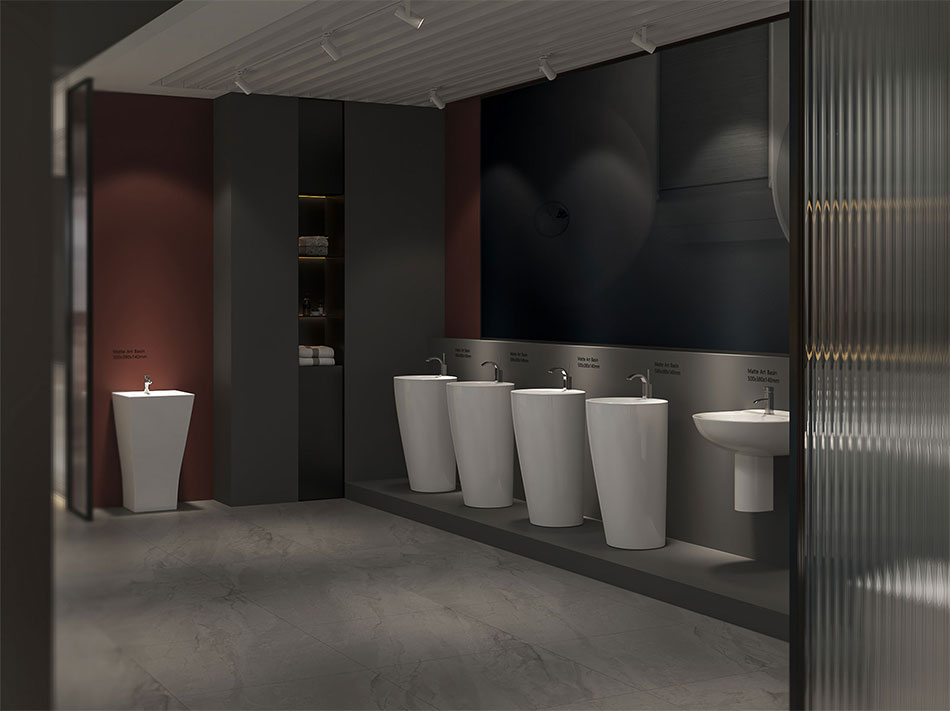
In stark contrast, yet equally influential, is the classic and opulent style epitomised by Italian and French design. This style draws inspiration from history, evoking the grandeur of Roman baths or the elegance of a Parisian apartment. Ornamentation is welcomed rather than shunned. The style is shaped by rich materiality: veined Carrara or Statuario marble covers surfaces, telling a unique geological story underfoot and on countertops. Freestanding bathtubs, often clawfoot or sculptural stone designs, become the undeniable focal point, inviting long, luxurious soaks. Tapware and fixtures are elaborate, featuring crosshead handles, gold or polished nickel finishes, and detailed porcelain accents. Furniture-style vanities made from dark stained or distressed wood add warmth and a sense of history. This approach is about theatricality and sensory indulgence, creating a bathroom that feels like a personal retreat of immense beauty and character.
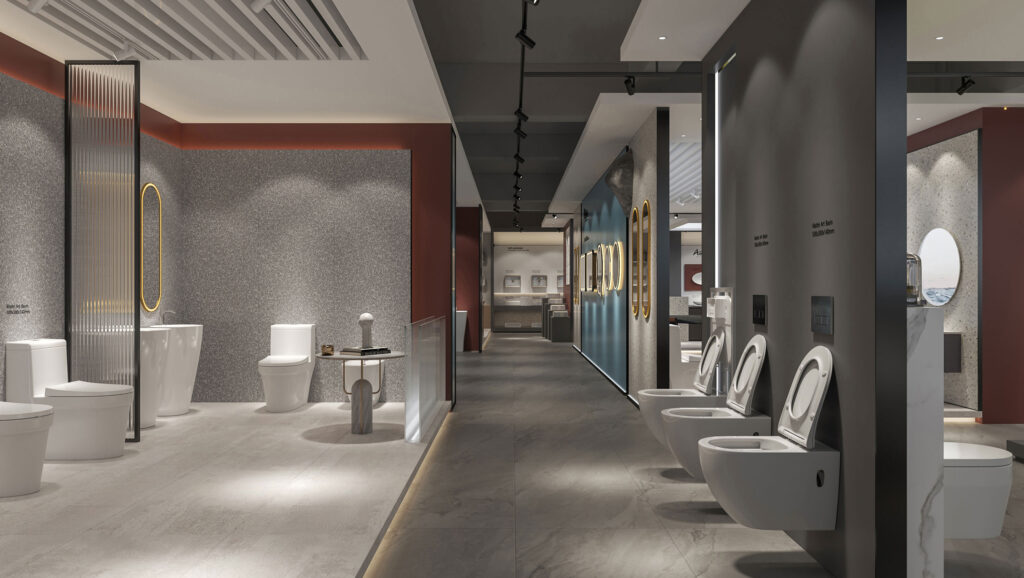
Beyond these two poles, a contemporary European trend blends the best of both worlds: the warmth of classicism with the clean lines of modernism. This is seen in the rise of organic modernism, a style heavily influenced by Nordic and Belgian design. Here, the form is softened. Curves are reintroduced in arched mirrors, oval bathtubs, and rounded basins. The colour palette remains neutral but incorporates more texture and earthy elements. Walls might be finished in micro-cement or Venetian plaster, while vanities are crafted from light oak or walnut, bringing natural warmth into the space. Tapware, though modern in function, may have softer, more organic shapes. The style is shaped by a focus on tactile experiences and creating a cozy, inviting atmosphere (the Danish concept of ‘hygge’) without sacrificing a modern, elegant feel.
Ultimately, the塑造 of European bathroom style is a masterclass in balance. It balances bold statement pieces with serene backgrounds, historical reverence with contemporary innovation, and clinical minimalism with organic warmth. Several unifying elements tie these diverse styles together:
-
Quality over Quantity: Europeans invest in exceptionally crafted, durable fixtures and materials designed to last a lifetime, viewing the bathroom as a long-term investment.
-
Focus on Wellness: The bathroom is treated as a spa-like environment for rejuvenation. This is evident in the popularity of rain showers, steam cabins, and deep soaking tubs.
-
Cohesive Lighting: Layered lighting is crucial. Ambient lighting sets the mood, task lighting illuminates mirrors, and accent lighting highlights architectural features or artworks.
-
Architectural Integration: The bathroom is not an afterthought but is considered an integral part of the home’s architecture, with design elements that flow seamlessly from the rest of the living space.
In conclusion, the European art of bathroom design is a nuanced language. Whether through the serene purity of German minimalism, the expressive drama of Italian luxury, or the textured calm of Nordic organicism, the style is always purposefully shaped. It transforms a utilitarian room into a holistic experience—a personal sanctuary that caters to both the body and the soul, proving that true style is where design intention and daily ritual beautifully intersect.